- The First Line Emergency Response (FLER-project) is a vital humanitarian initiative dedicated to providing life-saving assistance to communities displaced by conflict in Myanmar’s Rakhine State. Supported by ECHO, the project delivers rapid, multisectoral aid to those fleeing violence between the Myanmar Armed Forces (MAF) and the Arakan Army.
- FLER delivers multi-sectoral emergency assistance, including cash support, non-food and hygiene kits, emergency shelter materials, and basic food items, strengthening locally led emergency preparedness systems by building the capacity of local responders, supporting early warning and contingency planning, and establishing township-based frontline response mechanisms.
- Operating across Southern, northern, and central Rakhine State, FLER ensures that no one is left behind during the crisis. From July 2025 to July 2026, we are committed to strengthening local resilience and providing a dignified response for all affected ethnicities, including Mro, Thet, Dinet, and Muslim communities.
-
Provide timely, lifesaving emergency assistance (multi-purpose cash, NFIs, WASH, and emergency shelter) to conflict- and disaster-affected populations, ensuring dignity and household protection.
-
Strengthen local preparedness and response capacity of CSOs, CBOs, and township committees through training, assessments, contingency planning, and prepositioned stocks.
-
Establish locally led frontline mechanisms for rapid, coordinated, and inclusive emergency responses using early warning systems, risk analysis, and township-level collaboration.
-
Strengthened local coordination: Conducted project orientations and 7 township coordination meetings with 265 participants (127 women) in collaboration with emergency committees.
-
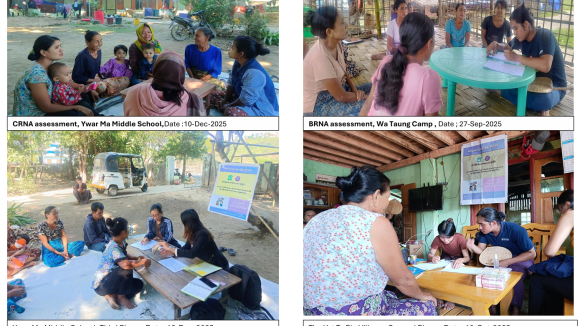
Improved readiness through data: Conducted 60 rapid needs assessments (20 basic, 40 comprehensive) across 5 townships, primarily within agreed timeframes, ensuring timely, evidence-based interventions.
-
Delivered lifesaving assistance: Provided multi-sectoral emergency aid—including cash for food, WASH/dignity kits, shelter, winterization, and clothing—to 1,205 individuals (289 households).